When Can a Naturalized U.S. Citizen Lose Their Citizenship?
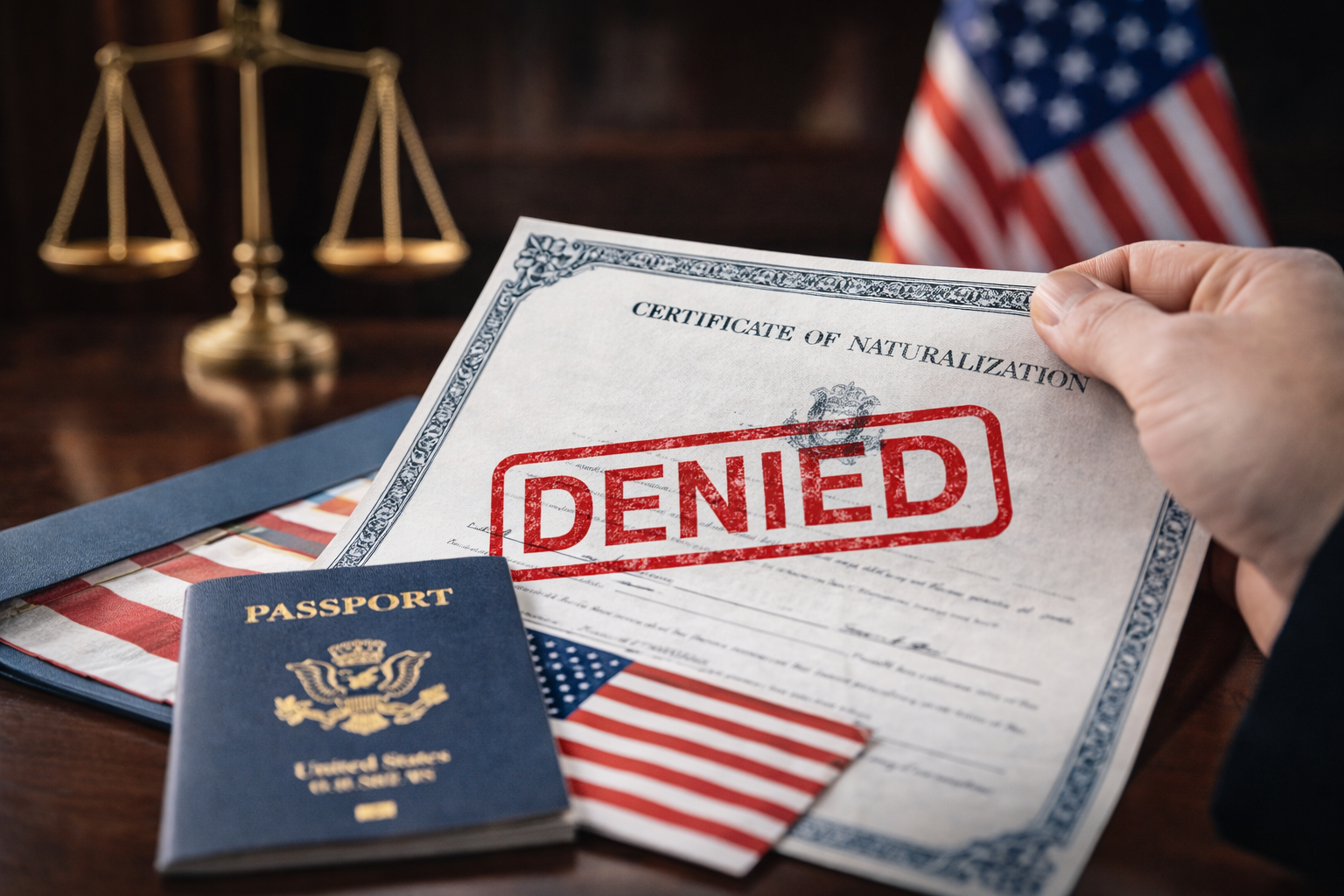
For many immigrants, becoming a U.S. citizen represents security, stability, and the culmination of years of effort. While U.S. citizenship is generally permanent, there are limited and specific situations in which a naturalized citizen may lose their citizenship under federal law. This process is known as denaturalization, and it can only occur through formal legal proceedings.
Understanding when this risk exists is essential—especially during periods of increased immigration enforcement and policy scrutiny.
Citizenship Is Strongly Protected — But Not Absolute
Naturalized citizens enjoy nearly all the same rights as individuals born in the United States. However, U.S. law allows the government to revoke citizenship only in rare and serious circumstances, primarily related to how citizenship was obtained.
Denaturalization is not automatic and not common, but it is legally possible.
Common Scenarios That May Lead to Denaturalization
1. Fraud or Misrepresentation During the Naturalization Process
Citizenship may be revoked if it is proven that a person intentionally provided false information or hid important facts when applying for naturalization. This may include:
- Failing to disclose criminal history
- Misrepresenting immigration history
- Providing false statements during interviews or on applications
The government must prove that the misrepresentation was intentional and material to the approval of citizenship.
2. Concealment of Material Facts
Even if no false statement was made, intentionally omitting important information can be grounds for denaturalization. The key issue is whether the omitted information would have affected the decision to grant citizenship.
3. Serious Criminal Conduct or National Security Issues
In rare cases, citizenship may be challenged if a naturalized citizen is later connected to:
- Serious federal crimes
- Human rights violations
- Terrorism-related activity
- Organized fraud schemes
These cases are complex and typically involve extensive investigation before any legal action is taken.
4. Military-Based Naturalization Issues
Some individuals obtain citizenship through military service. If citizenship was granted based on honorable service, and the individual later receives a dishonorable discharge under specific conditions, citizenship may be subject to review.
Denaturalization Requires a Court Process
It is important to emphasize that U.S. citizenship cannot be taken away by an administrative decision alone. The government must:
- File a case in federal court
- Meet a high legal burden of proof
- Allow the individual to defend themselves
Only a judge can order denaturalization after a full legal process.
What Happens If Citizenship Is Revoked?
If citizenship is revoked, the individual typically returns to their prior immigration status. Depending on the circumstances, this may expose them to removal proceedings. Because of the serious consequences involved, legal representation is critical.
Key Takeaways for Naturalized Citizens
- Denaturalization is rare, but legally possible
- Honesty during the naturalization process is essential
- Citizenship is not lost automatically due to arrest, investigation, or political changes
- Each case depends on specific facts and legal history
Guidance From Kostiv Cardinal Law Firm
At Kostiv Cardinal Law Firm, we understand the anxiety that immigration enforcement news can create for naturalized citizens. Our role is to provide clear, accurate, and responsible legal guidance, helping individuals understand their rights and protect their status.
📌 If you have concerns about your citizenship, past immigration filings, or potential legal exposure, our team is available to review your situation confidentially and advise you on next steps.